Choosing between plastic and cellulose evaporative cooling pads depends on your needs. Here’s a brief overview of their key advantages:
✅ Advantages of Cellulose Cooling Pads (Traditional Material)
Higher Cooling Efficiency – Better water absorption and distribution, providing cooler air output (typically 85-90% efficiency).
Lower Initial Cost – Lower upfront investment compared to plastic cooling pads.
Natural Moisture Distribution – Moisture is evenly distributed across the cooling pad, ensuring continuous humidification.
Biodegradable – Made from plant-based materials, more environmentally friendly at the end of its lifespan.
Widely Used and Proven – Industry standard with decades of reliable performance.
✅ Advantages of Plastic Cooling Pads (Modern Material)
Extremely Durable – Resistant to corrosion, mineral erosion, and UV damage. Lifespan exceeding 10 years with minimal wear.
Low Maintenance Costs – Easy to clean (can be rinsed with a pressure washer); scale does not adhere to the inside of the pad.
Suitable for hard water – more effective at handling water with high mineral content than cellulose materials.
Stable airflow – maintains a stable low pressure drop over long periods.
Long service life – less prone to damage, reducing replacement frequency.
Quick Buying Guide
If you prioritize optimal cooling performance, lower upfront costs, and good water quality, choose cellulose materials.
If you require durability, low maintenance costs, and operate in hard water or harsh environments, choose plastic materials.
Both materials are suitable – your choice should be based on your local climate, water quality, and maintenance preferences.

Evaporative cooling pad


 Choosing PVC-Framed Evaporative Cooling Systems for Greenhouses and Poultry Houses
 Fresh Air Inlets: Optimizing the Poultry House Environment
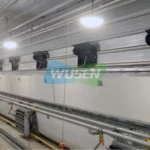 Fresh Air Inlets for Poultry Houses
 Plastic Evaporative Cooling Pads: A Transformative Solution for Poultry Farming and Greenhouse Climate Control
 Integrated PVC Frame Evaporative Cooling System