Categories
- Blog (260)



Effective ventilation begins with proper air inlet design. It determines the location, velocity, and uniformity of the fresh air entering the poultry house. Side-Wall Inlets (Minimum Ventilation Mode) Primarily used during cold weather or the brooding period. These small, adjustable vents are installed high up on the side walls. When opened by negative pressure, they direct incoming cold air upward …

WUSEN plastic cooling pads are engineered to withstand the harshest environments. They harness the natural principles of evaporative cooling—significantly lowering temperatures by drawing air through a water-saturated surface—while offering the exceptional durability inherent in modern polymers. Features a large surface area design that maximizes the contact interface between water and air. Achieves exceptionally high saturation efficiency (up to 85–90%), capable …

The evaporative cooling pad—essentially a corrugated fibrous paper subjected to a specialized impregnation treatment—has, by virtue of its unique design and material properties, established itself as a highly renowned and widely utilized product series within its field. Core Construction and Materials The core material of the cooling pad is a specialized cellulose paper. This paper undergoes a specific chemical impregnation …

The defining characteristic of tunnel-style air inlets is their powerful ventilation capacity. These vents serve as integral components of a ventilation system, boasting robust airflow capabilities that make them ideal for providing supplementary ventilation during the summer months or functioning as the primary air intake for tunnel ventilation systems. Both airflow volume and direction can be easily controlled. During the …

The core principle of the evaporative cooling pad system lies in harnessing the natural physical phenomenon of heat absorption through water evaporation, combined with negative-pressure ventilation technology, to achieve rapid cooling and air circulation within a greenhouse. During operation, a water pump evenly distributes fresh water to the top of the cooling pads; guided by a specialized flow-diversion structure, the …

Livestock farms require specially customized air filters designed to suit their unique operating environments—specifically, high dust concentrations, high humidity, and the need to maintain a stable airflow to ensure animal comfort. The following are several of the most common and effective types of air filters found in modern livestock facilities, each playing a distinct role within a multi-stage filtration system: …

The Solution: Evaporative Cooling Pad Systems Cooling pads (also called cellulose or honeycomb pads) use the natural principle of evaporative cooling to drop incoming air temperatures by 15–25°F (8–14°C) before it ever reaches your birds. How It Works Water continuously trickles down the face of high-density cellulose pads Tunnel fans pull hot, dry outside air through the wet pads As …

When cooling large spaces—such as poultry houses, swine barns, dairy farms, or greenhouses—evaporative cooling remains one of the most cost-effective and energy-efficient methods available. While traditional paper or aspen-fiber cooling pads have served as the industry standard for decades, a new contender has emerged as a superior long-term investment: plastic evaporative cooling pads. Constructed from high-grade polypropylene (PP), these robust …
I. System Overview The PVC drainage ditch evaporative cooling system is an evaporative cooling device mainly made of polyvinyl chloride (PVC). It is widely used for summer cooling in greenhouses, livestock farms, and other facilities. The system utilizes the principle of evaporative heat absorption, where water evaporates as it passes through a cooling pad in contact with air, effectively removing …

Core Comparison Table Item Paper Cooling Pad (Traditional) Plastic Evaporative Cooling Pad (New Type) Material Plant fiber + resin glue PP/PVC plastic honeycomb/corrugated board Cooling Efficiency High (good water absorption, fast evaporation) Slightly lower or similar (depends on structure) Service Life 2–5 years 8–15 years Corrosion Resistance Average; sensitive to acid, alkali and disinfectants Excellent; resistant to acid, alkali and …

Summer is approaching, so install an evaporative cooling system in your chicken coop: give your flock a cool summer. As temperatures gradually rise, the footsteps of summer are clearly audible. For poultry farmers, this means the most challenging season of the year is about to arrive. In high temperatures, chickens experience decreased feed intake, slower growth, and reduced egg production; …
A crucial component for chicken farming – the side wall air inlet. Whether you raise broilers or laying hens, whether it’s a large-scale commercial farm or a small breeding farm, the environmental quality of the chicken coop directly determines the health of the chickens, production efficiency, and ultimately, your profits. Among all ventilation solutions, the side wall air inlet is …

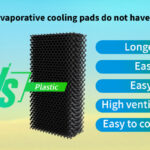 Comparison of Paper and Plastic Evaporative Cooling Media
 See you in Cairo—WUSEN is exhibiting at AGRENA Middle East 2026!
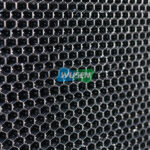 Why are plastic pads replacing paper ones?
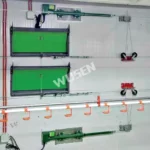 Poultry House Ventilation: WUSEN 908 Poultry Air Inlet
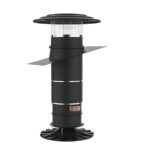 Optimizing Livestock Housing Ventilation: WS-T Series Chimney-Style Intake Fans