ປະເພດ
- Blog (260)



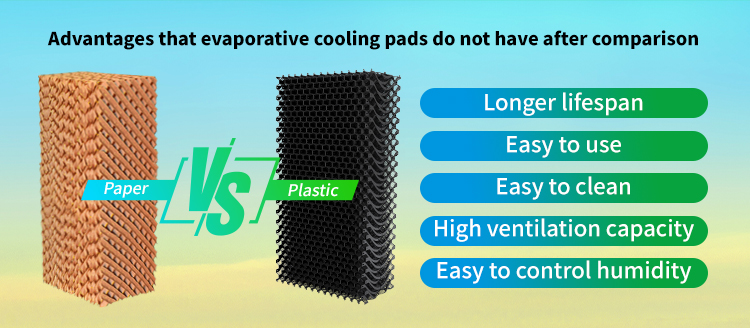
If you have ever used paper evaporative cooling pads, you are likely all too familiar with this cycle: they work well the first year; by the second year, their cooling efficiency drops significantly; and by the third year, they begin to collapse, become clogged, and even harbor various microorganisms—the kind you’d rather not think about. At this point, you are …
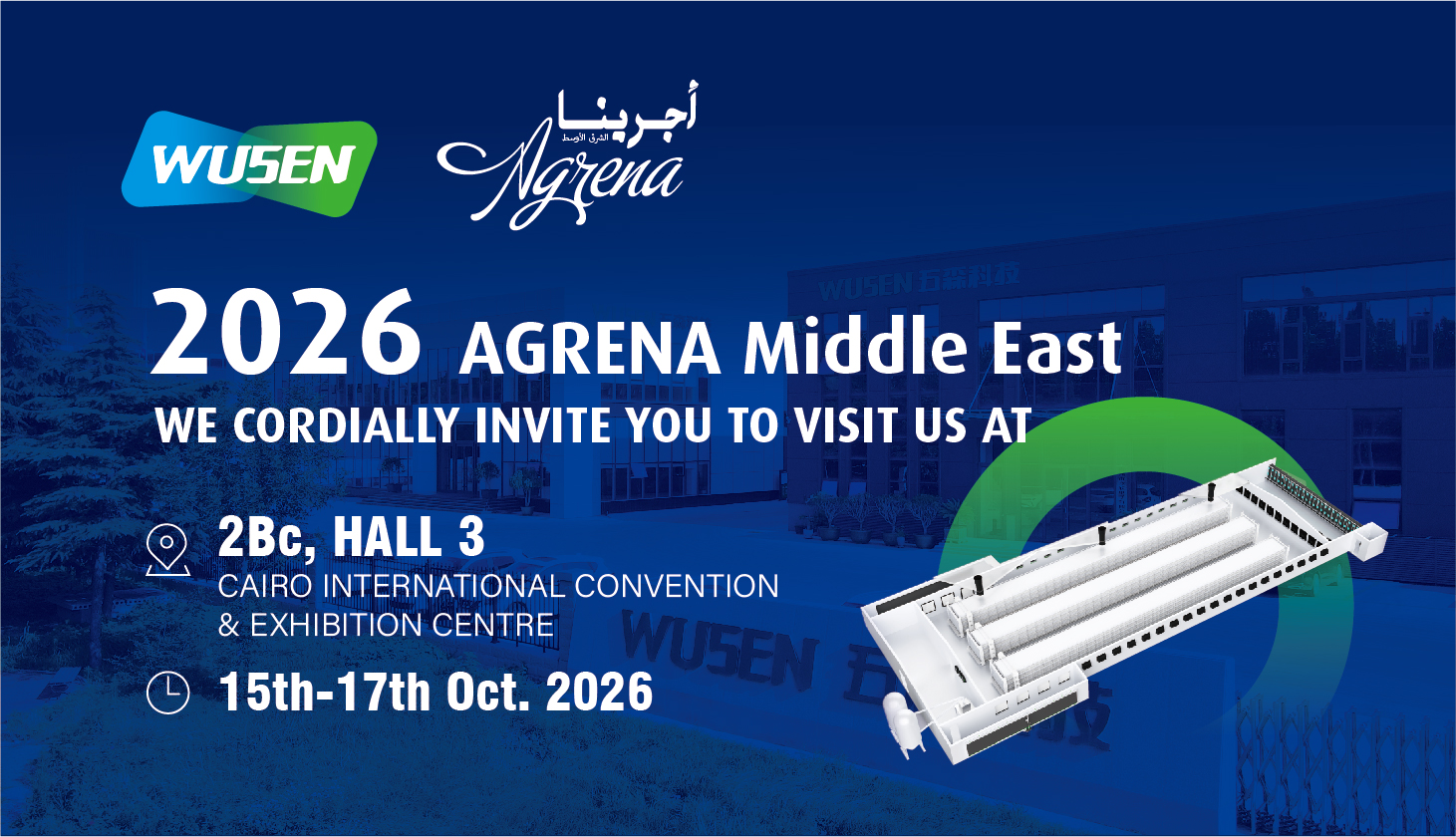
Visit us at Booth 2Bc, Hall 3, to explore our latest smart poultry farming solutions. We are excited to announce that WUSEN will be participating in AGRENA Middle East 2026 in Cairo, Egypt. We cordially invite partners, clients, and industry colleagues to visit our booth and discover our latest innovations in poultry farming equipment. At the exhibition, WUSEN will showcase …
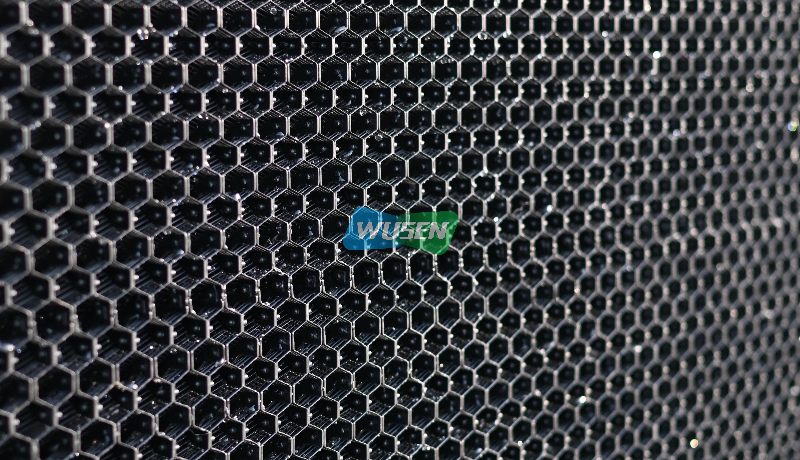
What is a plastic evaporative cooling pad? Plastic evaporative cooling pads are high-efficiency cooling media made from engineering plastics such as polypropylene (PP). Through a specialized structural design, they offer a high specific surface area while providing mechanical strength and service life far superior to paper-based products. Since their market introduction in the 1990s, these products have established a solid …
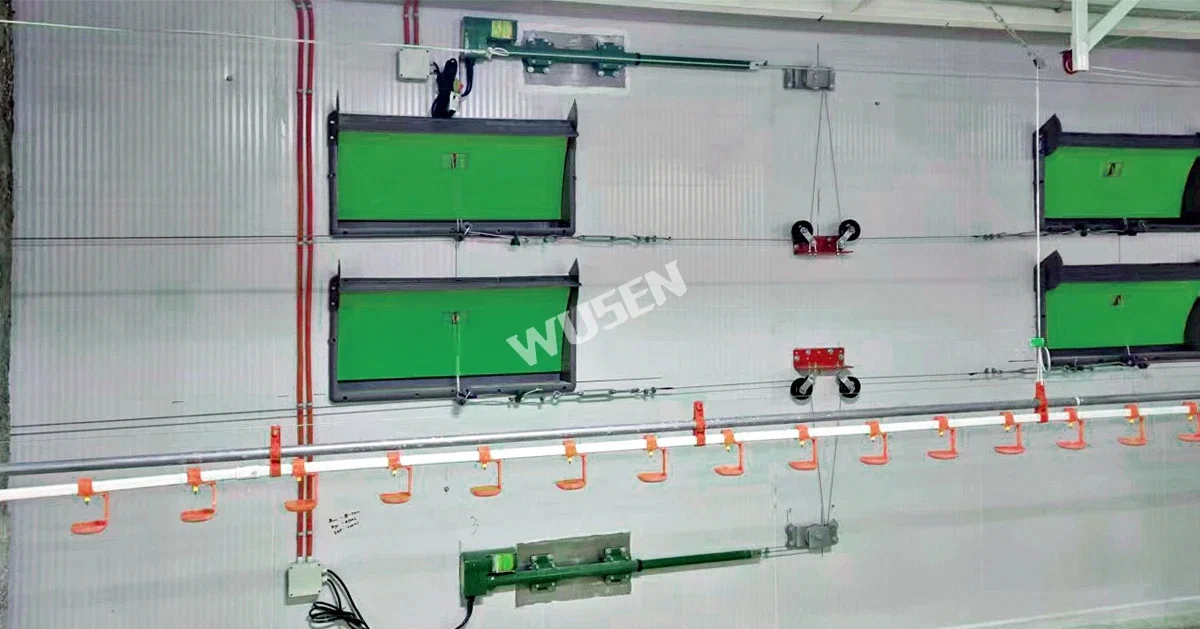
Upgrade your broiler farm with the WUSEN 908 poultry air inlet. Featuring superior thermal insulation, exceptional airtightness, and adjustable airflow capabilities, this product is the ideal solution for modern poultry house environmental control. Introduction: The Key to Modern Poultry Farming In the highly competitive commercial poultry industry, maintaining an optimal environment is not merely an advantage—it is essential for survival. …
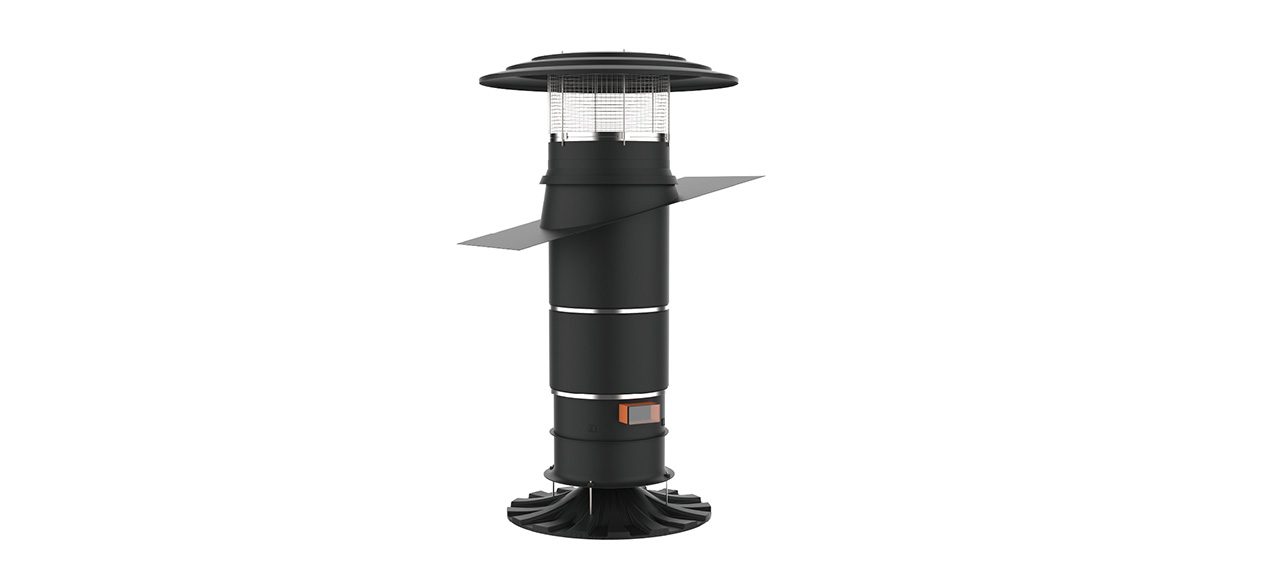
In modern agriculture, precise control of the indoor environment is not merely a means to enhance quality; it is essential for ensuring livestock health and production efficiency. We are proud to introduce our latest innovation: the WS-T series chimney-style intake fan. Designed to meet the rigorous demands of modern animal husbandry, the WS-T series integrates advanced aerodynamic principles with intelligent …
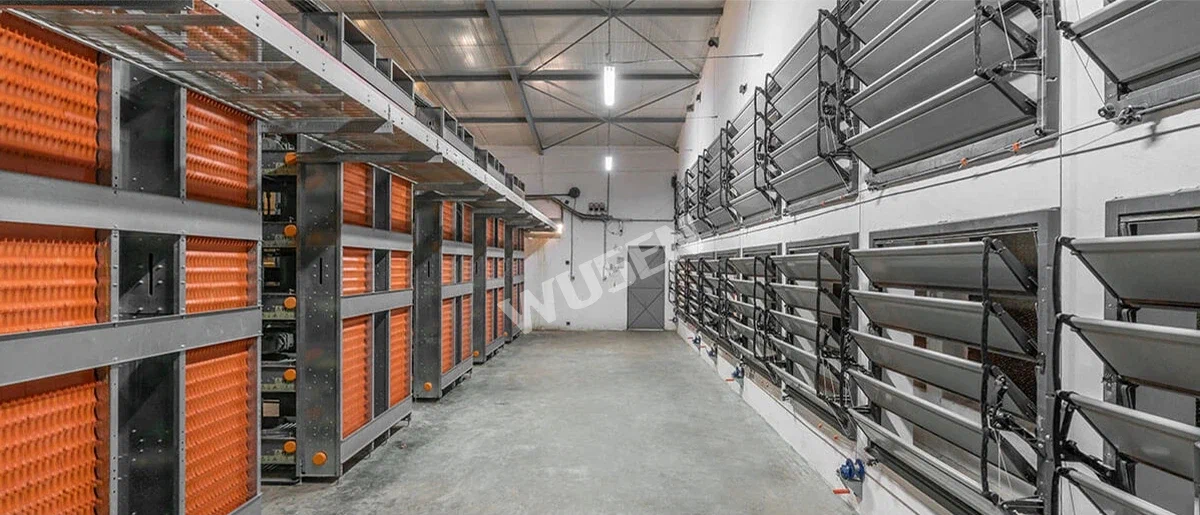
WUSEN air inlets feature a standard modular design that allows for direct installation into wall openings without requiring structural modifications. Multiple units can be combined to fit end-wall installations of various widths. This flexibility makes them an ideal solution for locations with limited wall space—particularly in caged poultry houses where installation room is restricted. With an opening height of just …
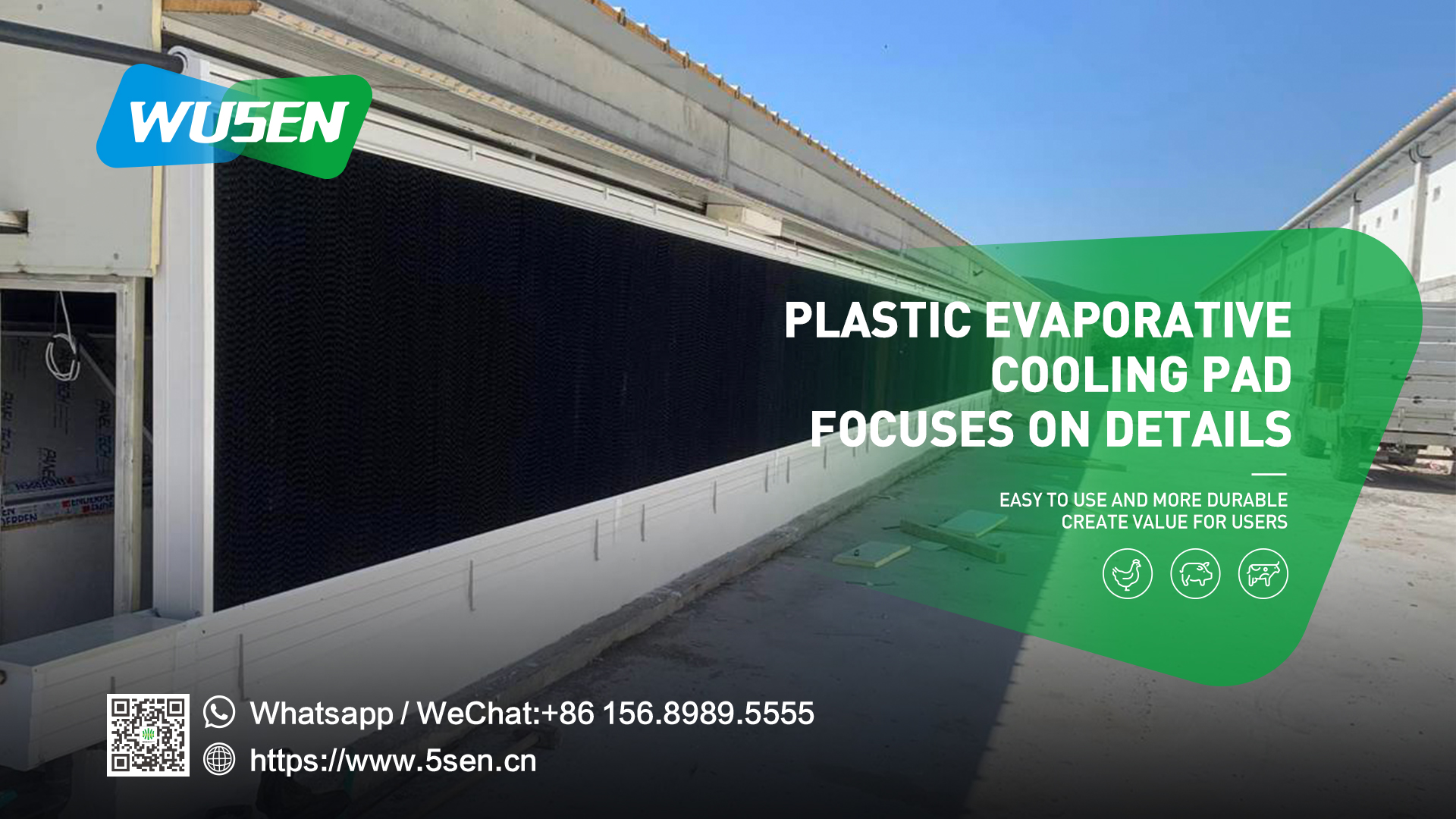
PVC-framed evaporative cooling pad systems achieve efficient cooling by utilizing the principle of heat absorption through water evaporation, offering energy efficiency far superior to traditional compressor-based refrigeration. Featuring advantages such as corrosion resistance, rodent-proof design, integrated water collection troughs, and modularity for easy maintenance, these systems are widely used in international agricultural markets for greenhouses and poultry houses. With cooling …
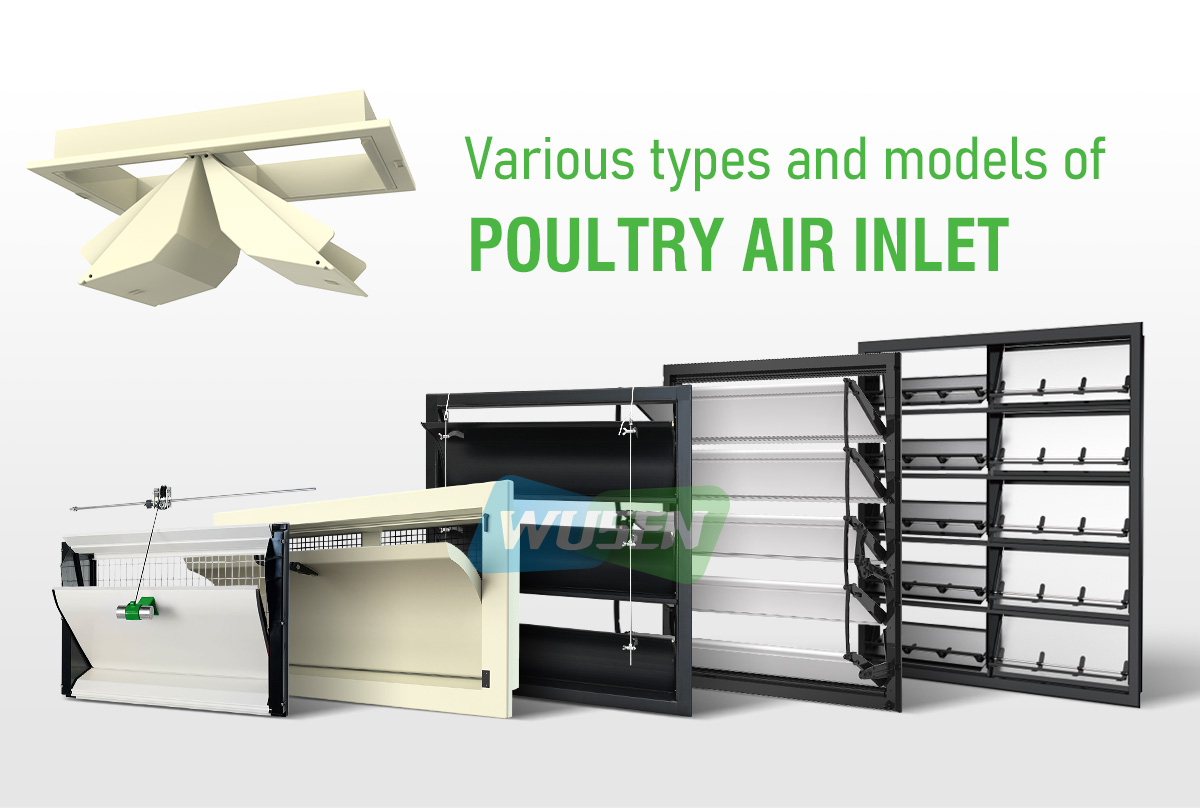
Proper ventilation is the cornerstone of healthy, high-yield poultry farming. Whether you raise broilers, layers, or breeder flocks, the quality of your air exchange system directly impacts flock health, feed conversion rates, and your bottom line. WUSEN specializes in manufacturing high-quality poultry house air inlets. Precision-engineered for accurate airflow control, energy efficiency, and durability, our inlets help you maintain an …
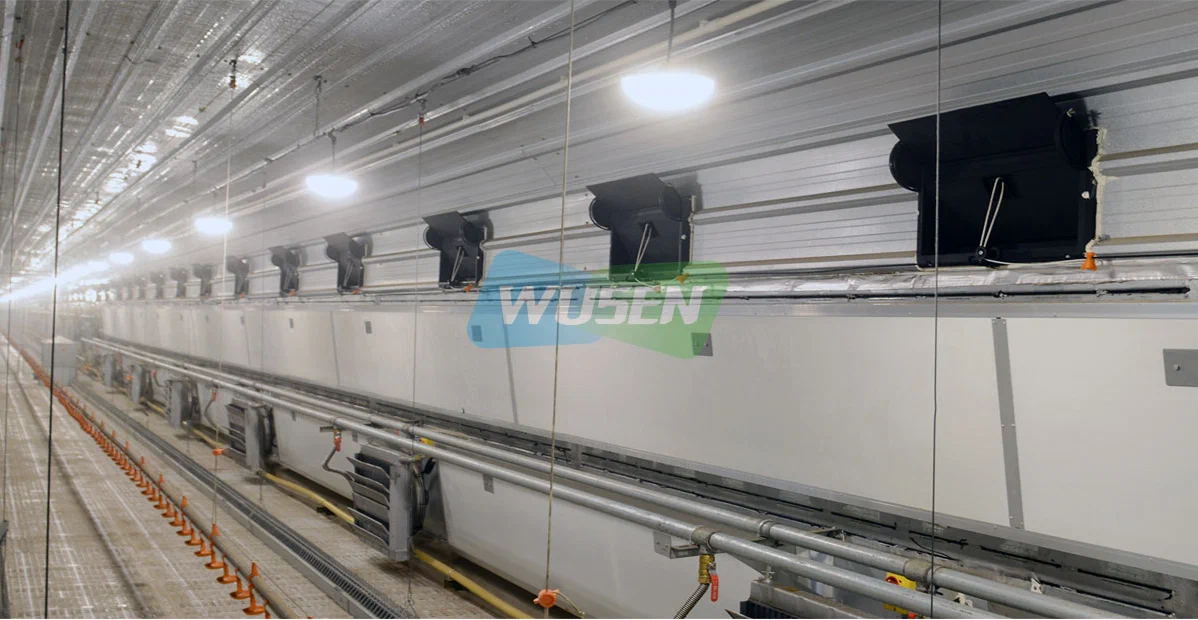
Design Principles for High-Efficiency Fresh Air Inlets Based on decades of research and field experience, the design of high-efficiency fresh air inlets adheres to the following fundamental principles: High-level air entry. Cold air should be introduced from the upper part of the poultry house, allowing it to pre-warm and mix before coming into contact with the flock or litter. Use …

In agriculture, maintaining optimal environmental conditions is crucial for the health and productivity of livestock and horticultural crops. Evaporative cooling systems, which utilize the natural process of water evaporation to lower air temperature, have long been a cornerstone of climate control in greenhouses and poultry houses. While cellulose-based paper cooling pads have been the industry standard for decades, a new …

What Makes an Integrated PVC Frame System Different? Traditional cooling units often require separate external water tanks and metal frames prone to rust and corrosion. In contrast, modern PVC frame systems integrate all components into a single, unified unit. The system consists of a robust PVC frame, a built-in bottom trough (serving as the water reservoir), and a circulation pump …

Shanghai, China – August 19–21, 2026 – WUSEN Technology, a global expert specializing in environmental control solutions for livestock farming under extreme climate conditions, proudly participated in VIV Select China 2026, held at the Shanghai World Expo Exhibition & Convention Center (SWEECC). The WUSEN team welcomed industry peers, partners, and customers to Booth C1517 in Hall H1 to explore cutting-edge …

 Comparison of Paper and Plastic Evaporative Cooling Media
 See you in Cairo—WUSEN is exhibiting at AGRENA Middle East 2026!
 Why are plastic pads replacing paper ones?
 Poultry House Ventilation: WUSEN 908 Poultry Air Inlet
 Optimizing Livestock Housing Ventilation: WS-T Series Chimney-Style Intake Fans